Source cotton lining girls casual shoes for school, play, and parties
Find 30 options for cotton lining girls casual shoes with varying materials like canvas and PU. Buyers can compare features such as waterproof ratings, sole types, and customization availability to select the right footwear for daily wear.
Key considerations
Products List


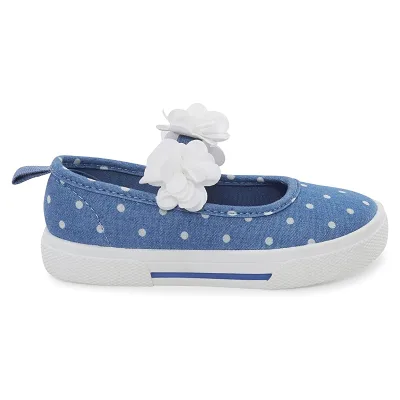


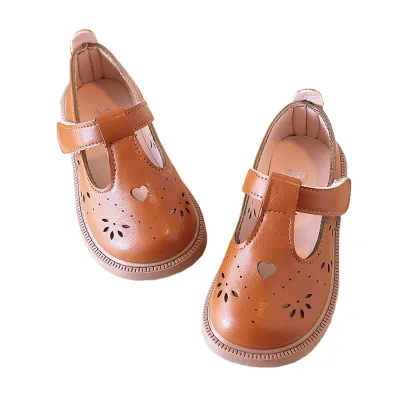


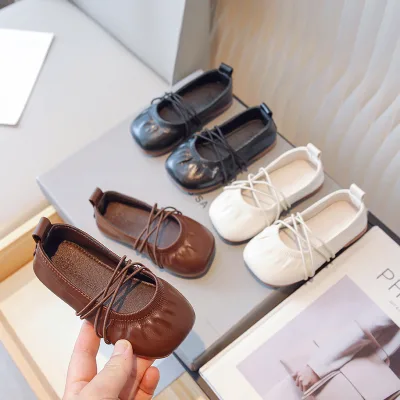
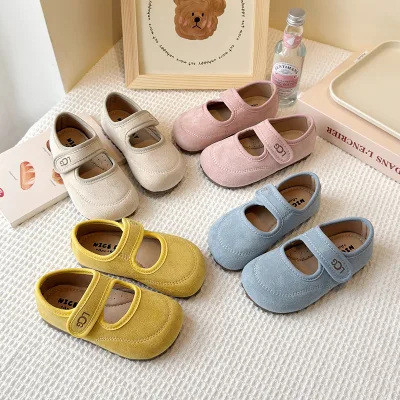

Comprehensive Sourcing Guide
Strategic Sourcing Guide for Cotton Lining Girls Casual Shoes
Understanding Product Specifications and Material Composition
When sourcing cotton lining girls casual shoes, the primary objective is to identify products that balance comfort, durability, and aesthetic appeal suitable for young female demographics. The core specification involves a distinct combination of upper materials and internal linings. Based on observed market data, the upper material frequently utilizes canvas, a fabric known for its breathability and casual aesthetic, which aligns perfectly with the "Girls Casual Shoes" classification. The critical differentiator in this category is the lining material. Buyers must specifically verify that the internal layer is composed of cotton fabric, as this material offers superior moisture absorption and skin comfort compared to synthetic alternatives like polyester or PU.
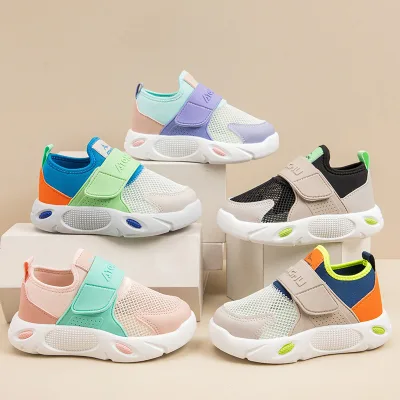
The structural integrity of these shoes often relies on a rubber sole, which provides necessary traction and durability for daily wear. The toe shape is typically round, offering a classic and comfortable fit that accommodates growing feet without constriction. Closure patterns vary significantly within this category; while some models utilize shoelaces for a traditional look, others may employ magic tape or elastic bands for ease of use. It is essential for buyers to note that product attributes can vary between individual listings. For instance, while one model may be explicitly labeled as waterproof, another with similar visual characteristics might be marked as not waterproof. This variance necessitates a rigorous review of the specific product data sheet before placing an order.
The following table summarizes the key material and specification observations found in the current market landscape for this product category:
| Attribute | Observed Variations | Sourcing Implication |
|---|---|---|
| Upper Material | Canvas, Cloth, PU, Leather | Canvas and cloth are preferred for casual comfort; PU and leather may indicate dressier variations. |
| Lining Material | Cotton Fabric, Other | Cotton fabric is the specific requirement for the core keyword; verify against "Other" listings. |
| Sole Material | Rubber, TRR, EVA | Rubber offers durability; EVA is often found in midsoles for lightness. |
| Closure Type | Shoelace, Magic Tape, Elastic Band, Lace up | Determines ease of wear for the target age group; shoelaces offer adjustability. |
| Gender | Girls, Female, Unisex | Ensure the specific listing targets the "Girls" demographic rather than general female or unisex. |
| Stock Status | Stock, Not Stock | "Stock" items allow for faster delivery; "Not Stock" implies made-to-order timelines. |
Compliance Verification and Certification Standards
In the realm of children's footwear, compliance and safety standards are paramount. While the provided data indicates that product standards can be "customized," this does not imply a lack of regulation. Instead, it suggests that suppliers may offer flexibility in meeting specific buyer requirements or regional safety norms. Buyers must verify that the "customized" standard aligns with the safety regulations of the destination market, such as flammability standards, chemical restrictions, and physical safety requirements for children's products.
The sourcing process requires a strict check on certifications. Although specific certification names are not listed in the general product attributes, the presence of "Eco-Friendly" as a feature in some listings indicates that environmental compliance is a viable market segment. Buyers should request documentation proving that the cotton lining and rubber soles meet relevant chemical safety standards, ensuring no harmful substances like lead, phthalates, or formaldehyde are present. The origin of the product, often listed as China or specifically Wenzhou, a known manufacturing hub, does not inherently dictate quality but requires verification of the supplier's ability to adhere to international quality benchmarks.
Furthermore, the "Hand Craft" or "Hand Made" attribute appears in some listings, while others are explicitly "Not Handmade." This distinction impacts the consistency of the product. Hand-crafted items may offer unique design features like stitching but can suffer from higher variability in quality. Mass-produced items labeled as "Not Handmade" often provide more consistent sizing and construction, which is crucial for bulk procurement. Buyers must clarify whether the "customized" standard includes specific testing protocols for the cotton lining to ensure it does not harbor allergens or degrade after washing.
Cost Drivers and Pricing Dynamics
The pricing for cotton lining girls casual shoes is influenced by several tangible factors, with the observed market range spanning from 1 to 66 USD. This wide disparity indicates a market segment ranging from basic, high-volume production to premium, specialized designs. The primary cost driver is the material composition. Shoes featuring genuine cotton lining, leather uppers, or advanced sole technologies like TRR or EVA midsoles will naturally command a higher price point compared to those using synthetic linings or basic rubber soles.
Minimum Order Quantity (MOQ) is another critical cost determinant. The observed MOQ range extends from 1 to 1200 units. A lower MOQ of 1 unit suggests a supplier willing to sell samples or small batches, often at a higher per-unit cost. Conversely, an MOQ of 1200 units typically correlates with a lower per-unit price, reflecting economies of scale in manufacturing and logistics. Buyers must balance their budget constraints with their inventory needs. If the target price is near the lower end of the spectrum, the buyer may need to accept a higher MOQ or settle for simpler designs.
Packaging also contributes to the final cost. Some listings specify "Each Packed in a Polybag," while others detail "1 Pair Per Box, 12 Boxes Per Carton." More elaborate packaging increases the unit cost but may be necessary for retail presentation. Additionally, the "customized" nature of the product standard can influence pricing. Customization efforts, such as specific logo graphic designs or unique color combinations like pink or blue, often incur additional setup fees or higher unit costs compared to standard stock items. Buyers should request a detailed breakdown of costs to understand how much of the price is attributed to materials, labor, and customization services.
Typical Applications and Market Positioning
Cotton lining girls casual shoes are versatile and serve multiple occasions, making them a staple in the children's footwear market. The observed product attributes list occasions such as "Party, Prom, Casual," indicating that these shoes are designed for both everyday wear and special events. The "Casual Shoes" classification suggests they are primarily intended for school, play, and daily activities where comfort and breathability are essential. The round toe and flat heel height further support their suitability for active children who require stable and comfortable footwear.
The "Eco-Friendly" and "Comfortable" features highlighted in some listings position these products for parents who are increasingly conscious of environmental impact and child well-being. The cotton lining is particularly valued in this context for its natural properties, reducing the risk of skin irritation and allowing the foot to breathe during summer, spring, and autumn seasons. The "Light," "Breathable," and "Anti-Slippery" features are critical selling points for parents concerned about safety and comfort during outdoor activities.
Market positioning also varies based on the design features. Shoes with "Stitching" details or specific color options like pink or blue may be targeted at specific fashion trends or age groups. The "Girls" gender specification ensures that the design elements, such as color palettes and fit, are tailored to the preferences of young female consumers. Whether for a party or a casual outing, the combination of a cotton lining and a durable rubber sole provides a practical solution that meets the functional needs of the user while maintaining an attractive aesthetic.
Supplier Evaluation and Quality Control Protocols
Evaluating suppliers for cotton lining girls casual shoes requires a multi-faceted approach. The first step is verifying the supplier's capability to deliver the specific material composition requested. Buyers should confirm that the "Cotton Fabric" lining is genuine and not a synthetic substitute, as this is a key differentiator. The "Hand Made" versus "Not Handmade" distinction should be clarified to ensure the production method aligns with the desired quality level. Suppliers claiming "Hand Craft" should provide evidence of skilled labor and consistent output.
Quality control (QC) protocols must be established before production begins. Given the variation in attributes like "Waterproof" and "Not Waterproof," buyers must explicitly define the performance requirements for their specific order. If waterproofing is not required, the focus should shift to breathability and comfort. The "Customization" attribute suggests that buyers have the opportunity to influence the final product, but this also introduces risk. A robust QC plan should include pre-production samples to verify the cotton lining, sole attachment, and closure mechanisms.
Inspection criteria should cover the "Design Feature" of stitching to ensure it is secure and does not pose a choking hazard. The "Anti-Slip" and "Hard-Wearing" features must be validated through physical testing, ensuring the rubber sole provides adequate grip and durability. Suppliers located in regions like Wenzhou, China, should be evaluated based on their track record in exporting children's footwear and their adherence to international safety standards. Buyers should request third-party inspection reports to verify that the product meets the claimed specifications regarding material composition and safety.
Long-Term Procurement Considerations and Scalability
Sourcing cotton lining girls casual shoes is not merely a transactional activity but a strategic partnership that requires long-term planning. The "Customization" availability offers a pathway for brand differentiation, allowing buyers to create unique products that stand out in a competitive market. However, reliance on customization can complicate supply chain logistics. Buyers must ensure that the supplier has the capacity to scale production without compromising quality or lead times.
The "Stock" versus "Not Stock" status is a critical factor in inventory management. Products listed as "Stock" offer immediate availability, which is beneficial for replenishing inventory quickly. However, "Not Stock" items may require longer lead times, which must be factored into the procurement timeline. Buyers should negotiate lead times based on the MOQ and customization level, ensuring that the supply chain remains resilient against demand fluctuations.
Sustainability is another long-term consideration. The "Eco-Friendly" feature and the use of natural materials like cotton align with growing consumer demand for sustainable products. Buyers should explore opportunities to work with suppliers who prioritize ethical sourcing and environmentally friendly manufacturing processes. This not only enhances the brand image but also future-proofs the product line against increasingly stringent environmental regulations.
Finally, the "Customized" standard and "Logo Graphic Design" options provide opportunities for brand building. Buyers should invest in developing a strong brand identity that resonates with the target demographic. By maintaining consistent quality and adhering to safety standards, buyers can build a loyal customer base. The ability to offer a range of colors, such as pink or blue, and various closure types ensures that the product line remains versatile and appealing to a broad audience. Strategic planning in these areas will ensure long-term success in the cotton lining girls casual shoes market.
FAQs
What lining material is used in these girls casual shoes?
The lining material is cotton fabric, which offers superior moisture absorption and skin comfort. Some listings may specify other materials, so verify the specific product data sheet to ensure the cotton requirement is met before ordering.
Can I find waterproof options for cotton lining girls casual shoes?
Waterproof availability varies by model, as some listings are marked waterproof while others are not. Buyers must explicitly check the specific product attributes to confirm if waterproofing is included in the desired item.
Which closure patterns are available for these girls casual shoes?
Available closure patterns include shoelaces, magic tape, elastic bands, and lace up styles. The choice depends on the specific model, with shoelaces offering adjustability and magic tape providing ease of use for young wearers.
What is the typical price range for cotton lining girls casual shoes?
The observed price range spans from 1 to 66 USD depending on materials and customization. Higher prices often correlate with features like leather uppers or advanced sole technologies, while lower prices may reflect basic production.
How does the MOQ affect the cost of cotton lining girls casual shoes?
MOQ ranges from 1 to 1200 units, influencing the per-unit cost significantly. Lower MOQs like 1 unit often carry higher costs, whereas bulk orders near 1200 units typically benefit from economies of scale in manufacturing.
Can these shoes be customized with specific logo graphic designs?
Yes, customization is available for logo graphic designs and other product standards. Buyers should clarify specific requirements with the supplier, as customization efforts may incur additional setup fees or affect the final unit cost.
What are the standard packaging options for these girls casual shoes?
Packaging varies between individual polybags and bulk cartons containing 12 boxes. Some listings specify one pair per box, while others use different configurations, so confirm the packing details to ensure they meet retail needs.